
You do not need a maths degree to read a table, but you do need patience when the dealer flips a hand that beats your own. I have spent fifteen years running acquisition campaigns across twenty markets, and the same discipline that keeps a €100M media budget from bleeding out applies here: learn the rules for caribbean stud poker before you put a single dollar on the felt. Down in Cairns, the humidity hits by mid-arvo and the local clubs keep their tables busy as a Friday night at the wharf, so if you are chasing a slower, decision-heavy card game rather than a spinning wheel, this one suits a thoughtful session.
How The Table Actually Works
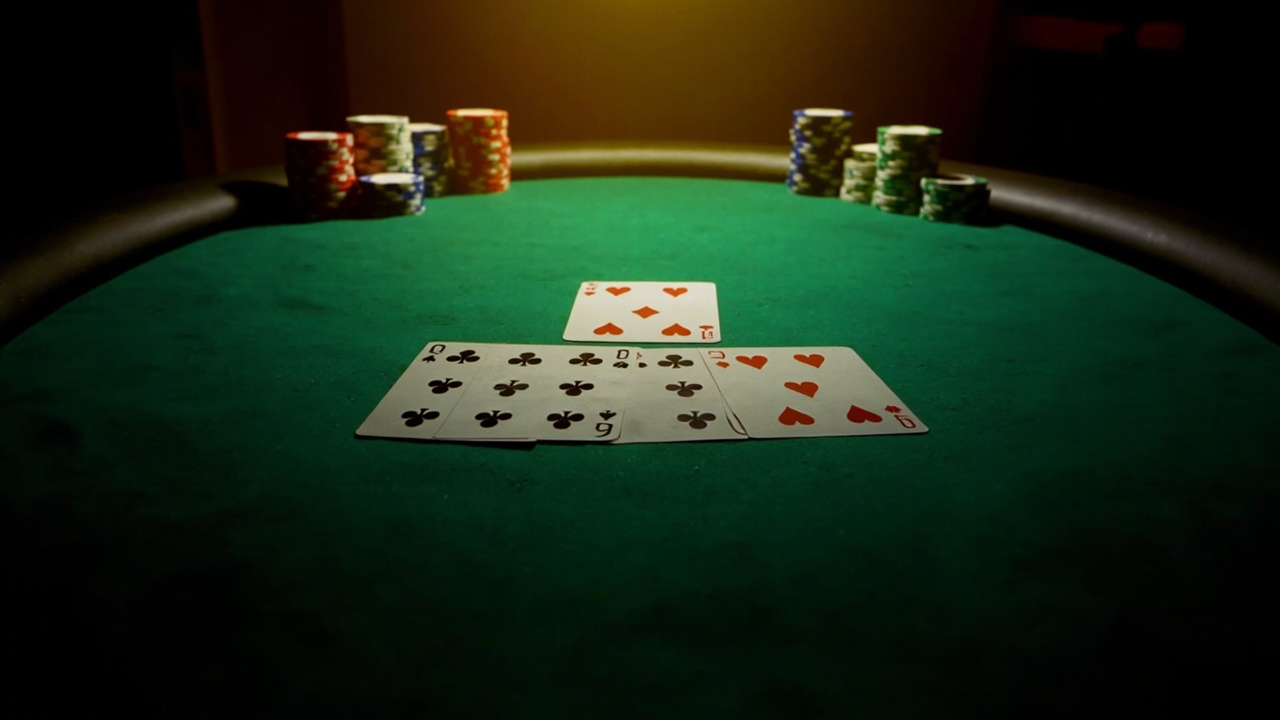
Caribbean Stud Poker is a five-card draw-style game played against the house, not against the bloke to your left. You place an ante and a separate bet simultaneously, then receive five cards face down while the dealer takes five with one card turned face up. The published rules for caribbean stud poker require you to either fold and lose your ante, or raise by matching your original bet, after which the dealer must qualify with at least an Ace and a King. If the dealer does not qualify, you collect even money on your ante and the raise pushes, which is the quiet little edge that separates this game from most table offerings. I have managed teams that sized traffic budgets across more than twenty jurisdictions, and the pattern is identical: a rule that looks like a minor payout tweak is often the whole reason a product retains players week after week.
Reading Your Hand And The Dealer’s Qualifying Cards
The first decision point is purely about your own five cards. A pair or better is the obvious raise, but the published rules for caribbean stud poker also reward a high Ace-King or Ace-Queen holding when you are comfortable with variance, because the dealer’s qualification threshold is the real lever in the game. If you raise with garbage and the dealer fails to qualify, you still get your ante back at even money, which is why disciplined folding on weak starting hands matters more than chasing every round. Statistically, buying more tickets improves your chances but worsens your expected value after costs, and the same logic applies here: raising too often on marginal hands inflates your exposure without improving the long-run return. When the dealer does qualify, a straight-up plaque bet in high-limit roulette can be enormous, but Caribbean Stud rewards patient hand selection rather than one-shot aggression, so treat each raise as a measured commitment rather than a lucky punt.
The second layer is the progressive jackpot side bet, which pays out on premium hands regardless of whether you win the main round. You can strike a royal flush or 21bitbonuscodes.org a straight flush and collect a large progressive prize even if the dealer beats your main hand, which is why some operators push the side bet as a separate entertainment product rather than a core strategy tool. I have seen marketing funnels built around that exact mechanic, and the lesson is straightforward: a side bet can add excitement and a shot at a meaningful payout, but it should never be confused with the base game’s decision tree. If you are logging in for a quiet session after work, keep the side bet small and let the main hand do the heavy lifting.
The third layer is bankroll pacing and table selection. A sensible session starts with a fixed ante size that lets you survive a run of dealer-qualified hands without tilting, and the published rules for caribbean stud poker do not change just because the cards have gone cold for ten minutes. Verification, first deposit, and bonus activation all happen before you reach the felt, so use that onboarding time to confirm the table limits, the progressive contribution rate, and whether the casino applies any local rounding on ante payouts. If you want a broader look at how card-game rules are presented across different titles, a related article on poker rules and a closer look at WildRobin Casino walks through a similar decision-first structure in a different setting.
Who This Game Fits Best
This is a good fit for players who prefer reading a hand over reacting to a fast-moving wheel, and it suits a Cairns evening when you want a measured session rather than a noisy rush. If you like making one clear decision per round and you are comfortable folding weak starts without chasing, the rules for caribbean stud poker reward exactly that temperament. It is less ideal for anyone chasing rapid action or expecting the dealer to fold often, because the qualification rule and the raise mechanic mean patience, not aggression, drives the session.
The real test is whether you can sit through a stretch of dealer-qualified hands without drifting into over-raising, because that discipline is what separates a controlled session from a sloppy one. I have sized budgets across markets where the same principle decided whether a campaign held its margin or burned through it, and card games are no different: the rulebook gives you the structure, but your hand selection and your fold discipline decide the outcome. If you reckon you can treat each round as a separate decision rather than a streak to recover, this table has a quiet kind of appeal.Poker Rules And A Closer Look

Quick glossary chicken road 2 game
- Ante – the initial stake that starts each round and is lost on a fold.
- Raise – the matching bet you place after seeing your cards, which keeps the hand live.
- Dealer qualification – the Ace-King minimum the dealer needs to compete against your hand.
- Progressive side bet – a separate wager that pays on premium hands regardless of the main round result.