
I’ve run table games from Sydney to Macau, and lightning baccarat real money sits in a strange spot: it can be a fair, fast way to play when the limits and pace suit you, or it can chew through a bankroll before the arvo’s over. This piece looks at how the game actually behaves at the felt, what a lobby should offer around it, and who it fits.
How the Game Plays Out at the Table
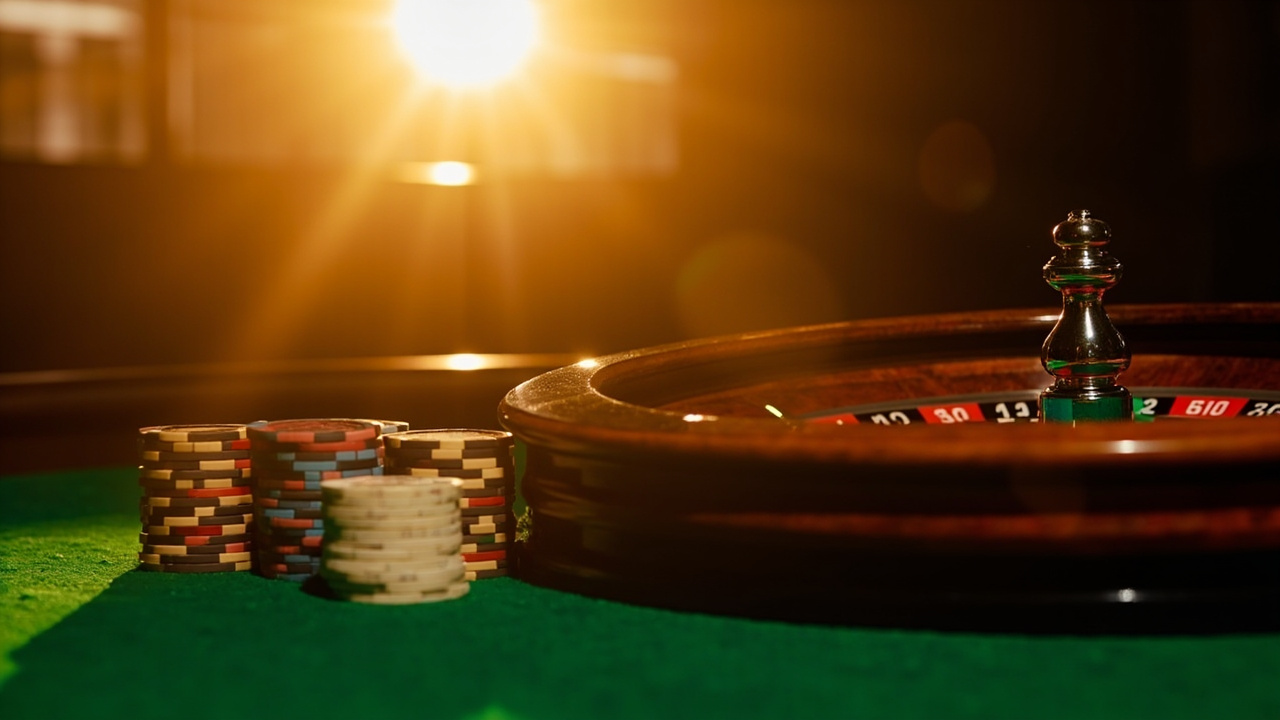
Baccarat’s appeal has always been its blunt simplicity: two hands, fixed rules, and a pace that rewards patience more than flair. Lightning baccarat keeps that skeleton intact but layers in extra payout moments and a quicker rhythm, which changes how a pit boss thinks about flow and how a player thinks about heat. The core wager still resolves on banker, player, or tie, and the card-draw rules don’t bend to opinion; what changes is the frequency of attention and the way a sudden big hit can reset a session’s mood.
I’ve trained dealers across four regions, and the one thing that holds up everywhere is this: a game that feels exciting on a quiet Tuesday can feel expensive on a busy Saturday if the limits and pace aren’t matched to the crowd. In a live setting, the dealer’s cadence, the shuffle timing, and the way the table holds its shape matter more than the flash on the screen. When a lightning-style version adds extra payout triggers, the same discipline applies – you still need to know where the edge sits and where the variance lives.
A useful comparison comes from Ava Reid, Head of Product, Flinders Interactive Group, who has pointed out that players often confuse a higher top payout with a on our official site better overall game. Her view is that the product only works when the base rules stay honest and the extra moments are clearly signalled rather than buried in a lobby. That’s the sort of judgement call I’ve made on shift floors: if the game can’t explain itself to a new player in a minute, it’s probably not ready for a real-money table.
For Australians, the practical question is less about novelty and more about whether the pace suits a local session. A game that runs too hot can be fun for a short burst, but it’s rarely the right tool for a measured evening out. The good versions keep the banker/player split clear, show the payout structure openly, and don’t pretend the extra moments change the underlying maths.connect-mitchelltech.com
Lobby, Game Mix and Discovery
A lobby earns its keep when it helps you find the right table without making you work for it. The best live rooms I’ve walked through organise their content by pace, stake range, and provider, so a player who wants a slower banker run isn’t stuck scrolling past a dozen high-tempo tables. Search should handle a game name or provider without turning into a lottery, and filters ought to separate live tables from slots cleanly rather than mashing them into one endless feed.Live baccarat in Italy: a clear
The game mix matters because baccarat doesn’t live in isolation. Around a lightning baccarat real money table, a sensible lobby will usually carry a few other live table options, a spread of slots, and enough provider variety that the room doesn’t feel like it’s leaning on one studio for everything. That variety matters for discovery: if every table looks the same, players miss the ones that actually suit their bankroll and temperament.
I’ve seen lobbies that look generous on paper but are really just noise. A cleaner approach is to group tables by stake ladder and pace, then let the search bar handle the rest. When a lobby does that well, players spend less time hunting and more time deciding whether a table’s limits match the evening they’ve planned. That’s a small thing on the surface, but it changes how a session starts, which is often the difference between a controlled run and a rushed one.
A useful perspective on this comes from Benjamin Wright, iGaming Regulatory Consultant, Koala Digital Group, who has cautioned that clarity in the lobby is not just a convenience feature – it’s part of how a room sets player expectations before a wager is even placed. His point is that a table should be identifiable by its rules, limits, and pace before anyone commits, and that’s a standard I’ve applied on busy floors where a confused player is usually a costly one.
For a Sydney crowd, that local fit matters more than it first appears. A room that works for a late weeknight session might be too fast for a weekend crowd, and a lobby that can’t tell those two apart will lose people before they’ve even sat down. The right lobby doesn’t shout about variety; it makes the right table easy to find.
| What to check | Why it matters |
|---|---|
| Stake ladder and table limits | Matches the game to the bankroll, not just the mood |
| Pace and table rhythm | Affects how long a session stays comfortable |
| Provider and live table mix | Keeps the room from relying on one style |
| Search and filters | Saves time and reduces wrong-table choices |
| Payout structure clarity | Helps players understand variance before wagering |
Who the Game Fits Best
This is the part where I’m less interested in the shine and more interested in fit. Lightning baccarat real money suits a player who understands that extra payout moments are variance, not a shortcut, and who is comfortable with a faster table rhythm. It can be a reasonable choice for a short, controlled session when the limits are right, but it’s usually a poor match for anyone chasing a long, steady run on a tight budget.
The practical test is simple: can you find a table whose limits and pace suit the evening you actually want, and can you read the payout structure without needing a second screen? If the answer is yes, the game can slot into a session without much fuss. If the answer is no, the same game can become expensive very quickly, especially when a hot streak resets expectations in the wrong direction.
I’ve made that call on shift floors more than once: a table that looks generous can still be the wrong tool if the crowd, the limits, and the pace don’t line up. That’s not a criticism of the format so much as a reminder that the right game is the one that matches the player’s plan, not the one with the loudest screen.
For a Sydney session, that usually means thinking about timing as much as the game itself. A quieter weeknight table can feel very different from a packed weekend one, and the lobby should make that distinction easy to see. When it does, the game becomes a usable option rather than a gamble on atmosphere.
The versions worth looking at are the ones that keep the base rules plain, show the payout moments clearly, and let you find the right table without a scavenger hunt. Anything less tends to reward impulse more than judgement, and that’s a poor trade for a real-money session.
If you’re weighing a room’s overall setup around this sort of table, it can help to compare how the lobby handles live tables and discovery side by side, which is the kind of detail covered in a separate look at live baccarat in Italy: a clear look at MyStake. That broader comparison can be useful when you’re trying to judge whether a lobby’s organisation is genuinely helpful or just busy.
Play the game for what it is: a fast, variance-heavy baccarat option that can suit a controlled session when the limits and pace are right, and can wear a bankroll down when they’re not.